
Tap Repair in Oxford
A tap that is stiff to turn, wobbles on the basin or will not switch properly between hot and cold is more than an annoyance. Left alone, these faults can get worse. We repair kitchen, bathroom and utility taps in homes and businesses across Oxford.
Tell us what the tap is doing and what type it is, and we will talk you through what may be involved.
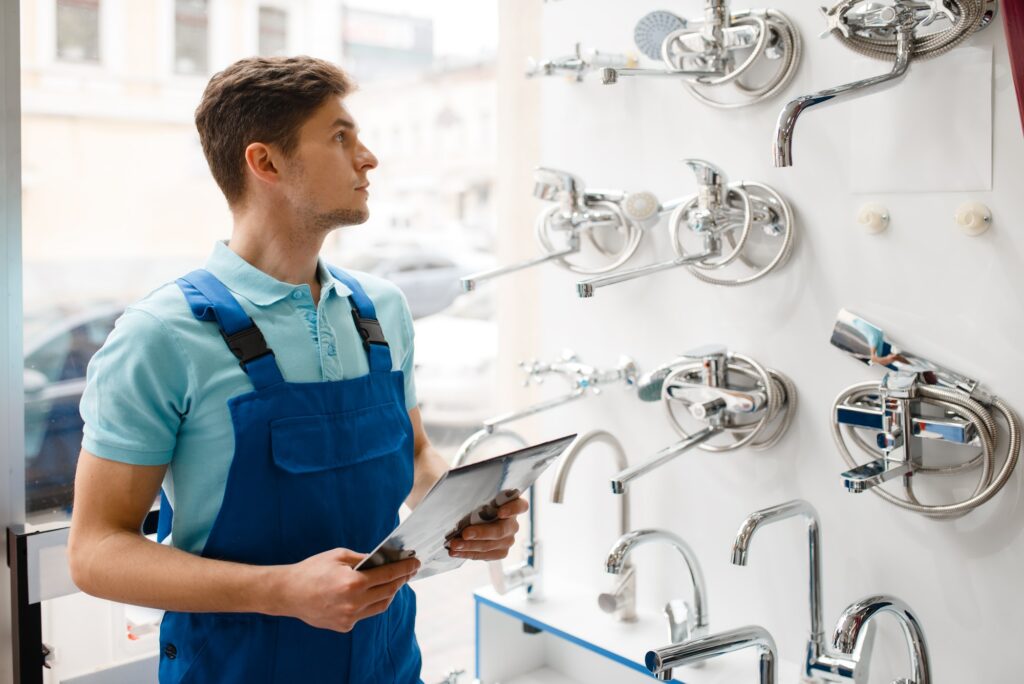
Common Tap Faults We Repair
Taps get used over and over every day, and their moving parts wear over time. Limescale and loose fittings can add to the problem. These are the faults we hear about most often.
Stiff or hard to turn
A handle or lever that needs real effort to move may be linked to limescale or a worn part inside. Please do not force it, as that can damage the tap further.
Loose or wobbly handle
A handle that spins, rocks or comes away in your hand may have a loose fixing or a worn connection. A tap body that moves on the basin is a separate issue that also needs checking.
Mixer not blending properly
If a mixer tap runs too hot, too cold or will not move smoothly between the two, the mechanism inside may be worn or partly blocked. It does not necessarily mean the whole tap has failed.
Weak or uneven flow
Water that spits, sprays sideways or runs more slowly than before could come from a blocked aerator on the spout, a part inside the tap, or the supply itself. Checking other taps can help narrow it down.
Different Tap Designs, Different Repairs
How a tap is built makes a big difference to how it is repaired. Two taps that look alike from the outside can work in quite different ways inside.
Pillar taps
Separate hot and cold taps, often found on older basins and baths. Many use a traditional valve with a washer, though some use a quarter-turn ceramic mechanism instead.
Dual-control mixer taps
Two handles feed one spout. Each side usually has its own valve or cartridge, so a fault may affect only the hot or only the cold.
Single-lever mixer taps
One lever controls both flow and temperature. These usually rely on a cartridge inside the body, and the right part depends on the make and model.
Kitchen taps with pull-out spouts, bath taps and wall-mounted taps can each bring their own access challenges. If you know the make of your tap, or still have the paperwork, it can help with finding matching parts.
Signs a Tap May Need Repair
Some tap faults are obvious, but others creep up slowly. You might notice that you need to push the handle further than before, or that it takes extra pressure to turn the tap off fully.
Other signs include grinding or squeaking as you turn the handle, a lever that no longer stays where you leave it, or a spout that has become loose where it swivels. On a mixer tap, sudden changes in temperature while the water is running can be associated with a worn mechanism.
If water is dripping from the spout or seeping around the tap body, the fault is more likely a leak. Our leaking tap repair service covers that in more detail.
Repair or Replace a Faulty Tap?
Many tap faults can be put right by changing a worn part rather than the whole tap. This often makes sense when the tap body is in good condition and a compatible part can be found.
Replacement may be worth considering if the tap is badly corroded, the body is cracked, parts for that model are no longer made, or faults keep coming back. Some people also choose a new tap when the old one no longer suits the sink or basin. We will explain what we find and leave the choice with you.
Where a tap is replaced, the isolation valves and the connecting pipework are checked as part of the job, since their condition can affect the work.
What Affects the Cost of a Tap Repair
Every tap and fault is different, so a set price is not possible before we know what is involved. The main factors are the design of the tap, what has gone wrong, and whether a compatible part is in stock or has to be ordered.
Access matters as well. A basin tap with clear space underneath is usually simpler to work on than one above a fitted cabinet or behind a bath panel. Isolation valves that are seized or missing can add work, as can older pipework in poor condition.
Tap repairs are one part of the wider plumbing services in Oxford we provide, so if you have other faults at the same time, mention them when you get in touch.
Tap Repair FAQs
Can a faulty tap be repaired, or does it need replacing?
Many taps can be repaired by changing a worn part, such as a cartridge, valve or washer, depending on the design. A new tap tends to come into the conversation when the old one is damaged or the right parts are no longer made. The age of the tap, its condition and whether parts are available all feed into whether a faulty tap should be repaired or replaced.
Why is my tap so stiff to turn?
Stiffness may be linked to limescale, a worn part inside or a problem with the handle fixing. Forcing a stiff tap can make things worse, so it is better to have it checked. Forcing it can crack the cartridge or snap the spindle, as explained in why a tap may be hard to turn.
Why does my tap handle keep coming loose?
A handle can work loose if its fixing has slackened or the part it fits onto has worn. If it keeps coming loose after being tightened, the connection inside may need attention.
Why won't my mixer tap get hot enough?
A mixer that stays cool may have a worn or partly blocked mechanism, but the cause could also lie with the hot water supply. Checking whether other hot taps are affected helps show which it is.
Why has the flow from my tap become weak?
Weak flow from one tap could be caused by a blocked aerator, debris or a worn part inside the tap. If every tap in the property is weak, the cause is more likely to be in the supply. Comparing it with other taps can help narrow things down, as covered in why the flow from one tap may be weaker than the others.
What helps when booking a tap repair?
Tell us where the tap is, whether it is a pillar tap or a mixer, and what it is doing. A photo of the tap and, if you know it, the make or model can also help.
Get a Faulty Tap Looked At
Whether the tap is stiff, loose or not mixing properly, let us know what you are seeing and we will explain the next steps.