
Leaking Tap Repair in Oxford
A tap that drips after you turn it off, or lets water seep out around the handle or base, wastes water and can mark the sink or worktop. We find where the water is escaping and repair leaking taps in kitchens, bathrooms and utility rooms across Oxford.
Let us know which tap is leaking and where the water appears, and we can talk through the likely next steps.
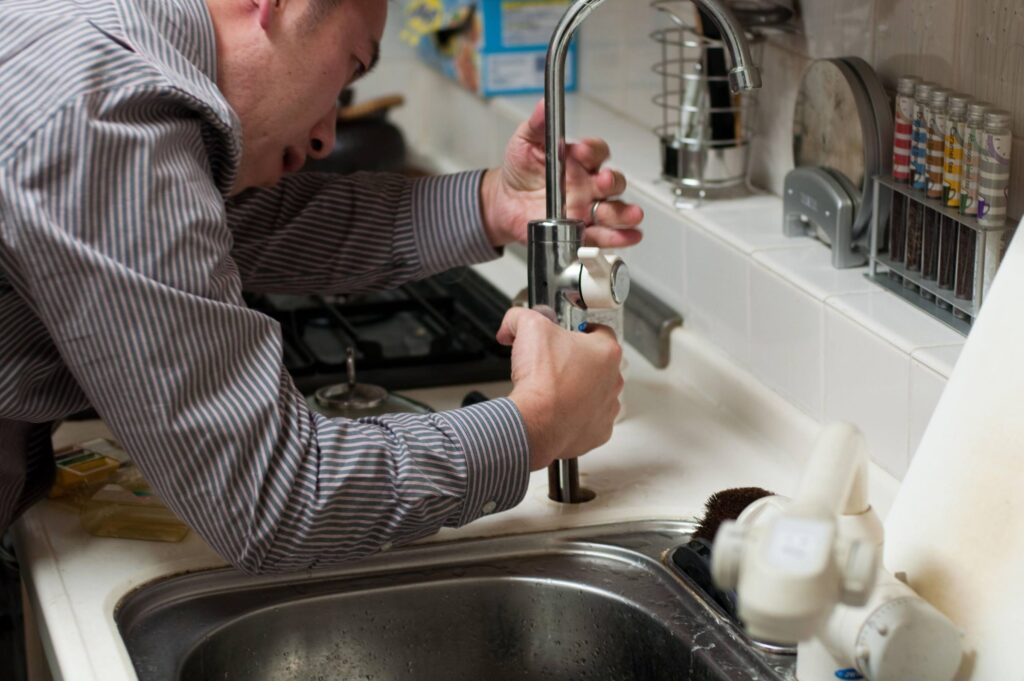
Where Is the Water Coming From?
The place the water shows up is the first clue. It helps us work out which part of the tap, or the fittings around it, may be at fault.
From the spout
Drips from the end of the spout after the tap is turned off are the most familiar sign. They may come and go, or carry on all day.
Around the handle
Water that appears around the handle or lever only while the tap is on may point to a tired seal or part near the top of the tap.
At the base of the tap
Water pooling where the tap meets the sink, basin or worktop may come from the tap body, a seal beneath it, or the connections below.
Under the sink or basin
A damp cupboard may come from the tap connections, an isolation valve or the waste, so it does not necessarily mean the tap itself is leaking.
Why Taps Start to Leak
Taps leak for different reasons, and the symptom alone rarely tells the whole story. Older taps with a traditional valve often rely on a rubber washer, which can wear or harden. Many modern taps use a cartridge or ceramic discs instead, and these can wear, crack or be affected by grit and limescale.
Limescale can also build up on the moving parts inside a tap over time, which may stop it sealing properly.
So a dripping tap does not always need a new washer. Seals, O-rings and loose fittings can also let water escape, and the right repair depends on the tap design.
If water is reaching sockets, appliances or anything electrical, keep clear of that area and get suitable help rather than trying to reach the tap.
A Small Drip Adds Up
Up to 5,500 litres
of water a year could be wasted by one leaky tap, according to WaterSafe.
A dripping tap is easy to stop noticing, but the water keeps going. WaterSafe says a leaky tap could waste up to 5,500 litres of water a year.
If your property has a water meter, that waste may show up on your bill. A hot tap that drips wastes heated water too, and a steady drip can leave limescale marks or staining on the sink over time.
How a Leaking Tap Is Repaired
The first step is to find exactly where the water is escaping. A drip from the spout points to a different part of the tap than water around the base or under the sink.
Once the source is clear, the water to the tap is turned off, usually at an isolation valve on the pipe beneath it. If there is no working valve, the supply may need to be turned off at the stopcock. A seized valve is never forced.
The worn part is then repaired or swapped for a compatible one, and the tap is tested to check that it turns off cleanly and the leak has stopped. If a drip returns later, a worn seat or a mismatched part may be to blame, as explained in why a tap can start leaking again after a repair.
Repair or Replace a Leaking Tap?
Most leaking taps can be repaired, but not every one is worth it. These are the questions we look at with you.
Usually worth repairing
The tap is in good condition, the leak comes from one worn part, and a compatible replacement is available.
May be time for a new tap
The tap body is corroded or cracked, parts are no longer made for that model, or leaks keep returning after repairs.
Leaking Tap Repair Costs: The Main Factors
The cost depends on the tap design, where the leak is coming from, how easy the tap is to reach, and whether a matching part is available. A cartridge for a less common mixer tap may need ordering, while some older taps take widely available parts.
Should the leak turn out to be in the pipework or a joint rather than the tap, our water leak repair service covers that wider work. For anything else, we also offer local plumbing services for homes and businesses in Oxford.
If more than one tap in the property is dripping, mention it when you get in touch, as it may make sense to look at them on the same visit. A photo of the tap and the area around it can also help us understand the job before the visit.
Leaking Tap FAQs
Why does my tap keep dripping after I turn it off?
A tap that drips after being turned off could have a tired washer, cartridge or seal inside, depending on how the tap is built. Grit or limescale can also stop the mechanism closing fully. Washers, ceramic cartridges and seals each wear in slightly different ways, as explained in why a tap keeps dripping after it is turned off.
Does every dripping tap need a new washer?
No. Many modern taps do not use washers at all and rely on a cartridge or ceramic discs. The repair depends on the tap design and where the water is escaping.
Why is water leaking from the base of my tap?
A leak at the base could come from a seal inside the tap body, a loose fitting or the connections underneath. A look under the sink helps show whether the water starts at the tap or below it. Worn O-rings on swivel spouts are a common culprit, as covered in why water leaks around the base of a tap.
My tap only drips now and then. Is that a problem?
An occasional drip may come from a part that is starting to wear, and it can become constant over time. Having it checked early can keep the repair simpler.
Should I turn a dripping tap off harder?
Turning a tap off harder than normal may stop the drip for a while, but it can wear the parts faster and damage the mechanism. It is better to have the cause looked at.
Is a leaking tap worth fixing, or should I replace it?
A sound tap with parts still on sale is normally the better candidate for repair. A new tap may make sense if the old one is damaged or keeps leaking after repairs.
Leaking Tap? Tell Us Where the Water Is Going
Let us know which tap is affected, where the water appears and whether it drips all the time or now and then. We will advise on what may be needed.