
Plumbing Installation in Oxford
Adding a new basin, moving a sink, running a supply to an outside tap or reworking pipes during a refurbishment all need plumbing installed properly from the start. We install and alter water supplies, wastes and fixture connections for homes and businesses across Oxford.
Tell us what you are planning and roughly where things will go, and we will talk through the plumbing side.
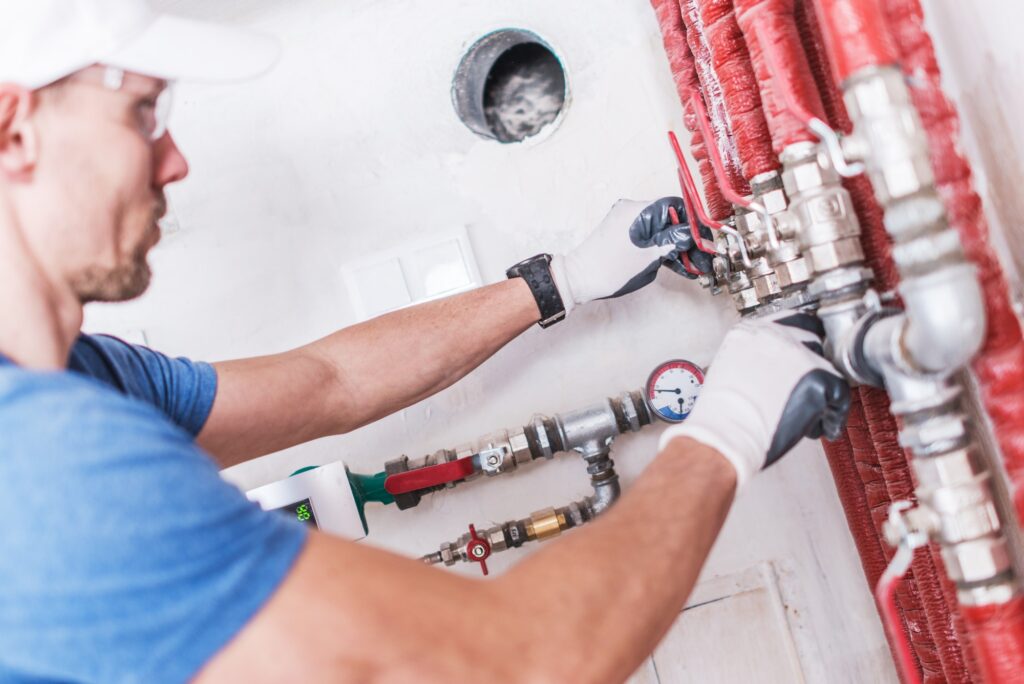
What Plumbing Installation Covers
Most installation work comes down to three things: getting water to a fixture, taking used water away and making the connections between them.
New supply pipework
Hot and cold pipes to new or relocated fixtures, with isolation valves where they make maintenance easier.
Waste connections
Wastes, traps and waste pipe runs that carry water away with enough fall to drain properly.
Fixture connections
Connecting basins, sinks, toilets, baths, showers and taps to the supply and waste once they are in position.
Small Jobs and Larger Projects
Not every installation is a big project. Fitting an outside tap, adding an appliance valve, connecting a new basin or capping off a redundant pipe are all installation jobs too.
Larger projects, such as replumbing a room during a refurbishment, usually happen in stages. Pipes and wastes go in before walls and floors are closed up, and final connections are made once the fixtures are fitted.
Whatever the size, the aim is the same: plumbing that works, can be maintained and suits the way the space will be used.
Kitchens, Bathrooms and Refurbishments
Installation work often happens as part of a bigger project. The plumbing needs to fit the plan for the room, not the other way round.
Kitchens
New sink positions, appliance supply valves and waste connections. Our kitchen plumbing page covers that room in more detail.
Bathrooms
Supplies and wastes for a new layout, from moving a basin to adding a shower. See our bathroom plumbing page for more.
Alterations elsewhere
Extending, rerouting or capping off pipes around the property. Where old pipework needs to go, our pipe replacement page explains how that is assessed.
Planning Pipe Routes and Access
Good installation starts with the route. Supply pipes need a sensible path from the existing pipework, and wastes need a path to the drainage with enough fall. Where pipes will be hidden, it helps to think about how they can be reached later. Placing isolation valves sensibly also makes future repairs quicker, since one fixture can be turned off without stopping the water to the whole property.
Involving a plumber early makes this easier. Once floors, walls and units are finished, changing a pipe route usually means more disruption. We can look at the plan with you before work starts and suggest where pipes and valves could go.
In older buildings, opening floors or walls may uncover materials that need appropriate assessment, so please leave that to the right people rather than starting it yourself.
Working Alongside Other Trades
Our work is the plumbing: pipes, valves, wastes and fixture connections. Many projects also need other trades, and it helps to know who does what from the start.
Electrical work, such as wiring for an electric shower or an appliance, needs an appropriately qualified electrician. Gas appliances and heating systems need suitably qualified specialists. Tiling, waterproofing, joinery and flooring are usually separate jobs too.
We are happy to plan the plumbing around your builder, kitchen fitter or other trades so the work happens in the right order.
Regulations and Notification
Plumbing that connects to the mains water supply has to comply with the water fittings regulations, and some types of work must be notified to the water supplier before they start. Requirements can depend on the type of work.
WaterSafe’s guide to notifying your water supplier lists examples, including baths with a capacity above 230 litres and pumps delivering over 12 litres a minute. If your project includes anything like this, we will flag it during planning.
Checking the Finished Work
Once new pipework and connections are in, they are checked for leaks and to make sure water flows and drains as it should. Isolation valves are left accessible where possible, and we show you where they are. If anything needs adjusting once the fixtures have been in use for a while, let us know.
The cost of installation depends on how many fixtures and connections are involved, how long the pipe runs are, how easy the routes are to reach, the materials needed and any alterations to existing pipework. Coordination with other trades and any notification requirements can also affect the plan.
For smaller jobs and repairs around the home, our plumbing help in Oxford covers those too.
Plumbing Installation FAQs
What does plumbing installation include?
It covers new or altered water supply pipes, waste pipes and the connections to fixtures such as basins, sinks, toilets, baths and showers.
Can you install plumbing during a kitchen or bathroom refit?
Yes. The plumbing is usually done in stages, with pipes and wastes run before walls and floors are finished and final connections made once fixtures are in place.
Can existing pipes be moved to suit a new layout?
Often, yes. Supply pipes can usually be extended or rerouted, and wastes moved, as long as there is a workable route with enough fall to drain. Whether the current pipes can simply be reused depends on their position and condition, as covered in whether existing pipework can be used for a new fixture.
Will I need other trades as well as a plumber?
Possibly. Electrical work, gas work, tiling, joinery and flooring are separate trades. Our part is the plumbing, planned around the other trades.
Does plumbing work need approval?
Some types of work must be notified to the water supplier before they start, and all work on the supply must meet the water fittings regulations. It depends on what is being installed. Outside taps, for example, should have a double check valve to prevent backflow, as explained in what plumbing is needed to install an outside tap.
What affects the cost of plumbing installation?
The number of fixtures, the length and route of pipework, access, materials and any changes to existing pipes all play a part. A clear plan helps give a clearer price. Access, layout and the fixture you choose all play a part, as set out in what affects the cost of a plumbing installation.
Planning New Plumbing?
Tell us what you want to install or change, where it is going and whether other work is planned. We will explain how the plumbing could be done.