
Bathroom Plumbing in Oxford
Bathroom plumbing covers the pipes, valves and wastes that serve your basin, toilet, bath and shower. Whether a fault affects one fitting or several, or you are planning to change the layout, we help homes and businesses across Oxford with the plumbing behind it.
Tell us what is happening in the bathroom, or what you are planning, and we will explain how we can help.
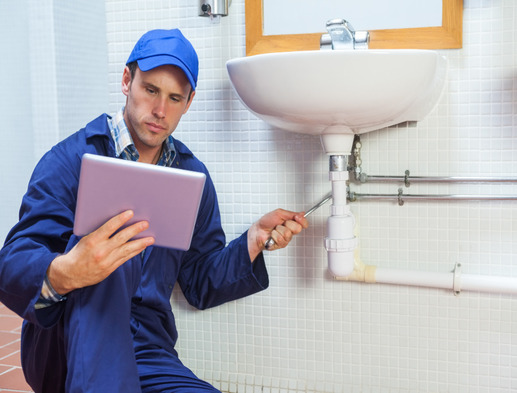
What Bathroom Plumbing Covers
Every bathroom has two halves to its plumbing. Clean water comes in under pressure, and used water leaves by gravity. Most faults and most changes involve one side or the other, and sometimes both.
The supply side
Hot and cold pipes run from the stopcock and the hot water source to each fixture, often with isolation valves near the basin, toilet or bath. Because these pipes are always under pressure, a leak here may be constant.
The waste side
Wastes, traps and waste pipes carry used water to the soil stack or drainage. Faults here tend to show while water is being used, such as drips as a fixture empties, slow draining or smells. If a trap dries out or a seal fails, smells can get into the room, as explained in why a bathroom may smell of drains.
One Bathroom, Several Fixtures
Each fixture has its own connections, but they often share pipes and wastes, so a problem in one can affect another.
Basins
Taps, supply connections, a waste and a trap, usually tucked inside a pedestal or vanity unit.
Toilets
A cistern supply feeding the fill valve, plus a pan connector to the soil pipe. For flush or cistern faults, see our toilet repair page.
Baths
Tap connections, a waste with an overflow and a trap, mostly hidden behind the panel. Our bath plumbing page goes into more detail.
Showers
A valve, a hose or fixed head and a tray waste. Drips, weak flow and temperature problems are dealt with on our shower repair page.
Is It One Fixture or the Wider Plumbing?
A fault in a single fitting, such as one basin that drips under the trap, is usually local to that fixture. When several things go wrong at once, the cause may be shared.
If the basin, bath and shower all drain slowly, the shared waste pipe or the drainage beyond it could be involved. If every outlet in the bathroom has weak flow, the supply to the room may be the issue rather than each fitting. Gurgling from one fixture when another empties can also point to a shared waste.
Looking at the bathroom as a whole helps avoid fixing one symptom while the real cause carries on.
Bathroom Leaks and Where They Hide
Bathroom leaks are not always where you can see them. Pipes run under floors, behind panels and inside walls, so water may show up as a ceiling stain in the room below, a soft floor or loose tiles.
Not every damp patch is a plumbing fault. Worn sealant, cracked grout or gaps around a shower screen can let splashes through. We check the plumbing first and will tell you if the cause looks like sealant, tiling or waterproofing, as those jobs can fall to another trade.
Small signs are worth acting on early, such as a drip under a basin, a toilet that keeps running or a bath waste that has started to smell. Knowing where your stopcock is, and whether the isolation valves turn freely, can also save time if something goes wrong. If a valve is stiff, leave it rather than forcing it.
If water is near light fittings, an electric shower, an extractor fan or anything else electrical, keep away from it and get suitable professional help.
Changing or Moving Bathroom Fixtures
Swapping a basin for a vanity unit, moving a toilet or adding a shower all affect the pipework. Waste pipes need enough fall to drain, toilets need a route to the soil pipe, and supply pipes may need extending or rerouting.
Certain bathroom fittings need the water supplier to be told in advance. WaterSafe’s advice on fitting a new bathroom explains the rules on water fittings and notification.
Bathroom projects often involve other trades. Electrical work, such as wiring an electric shower or extractor fan, needs an appropriately qualified electrician, and tiling or waterproofing may be a separate job. We focus on the plumbing and can fit in around the rest of the plan. The toilet soil pipe, waste falls and supply routes are covered in more detail in what plumbing to plan before changing a bathroom layout.
What Affects the Cost of Bathroom Plumbing
Bathroom plumbing jobs vary a lot, and a fixed figure is not possible until the work is understood. What shapes it most is how many fixtures are affected, how much pipework needs changing and how easy it is to get to.
Pipes under floorboards or behind boxing take longer to reach than exposed pipework. Moving a toilet or creating a new waste route is a bigger job than renewing a trap. A hidden leak may take some tracing first, and parts for older fittings may need ordering.
If the work turns out to be part of something wider, our Oxford plumbing services cover the rest of the property too.
Bathroom Plumbing FAQs
What does bathroom plumbing include?
It covers the water supply pipes, isolation valves, wastes, traps and waste pipes that serve your basin, toilet, bath and shower, along with repairs and changes to them.
Can the plumbing be changed when I replace my bathroom suite?
Yes. The supply and waste connections usually need disconnecting and reconnecting, and pipework may need moving if the new layout is different.
Why are several bathroom fixtures draining slowly?
When more than one fixture is slow, the shared waste pipe or the drainage beyond it may be involved, rather than each fixture on its own. Shared supply pipes can affect several outlets too, as explained in why several bathroom fittings can have problems at once.
What could cause a stain on the ceiling below my bathroom?
It could be any of the bathroom fixtures, the pipes under the floor or water getting past sealant or grout. Finding the source comes before any repair.
Is electrical work part of bathroom plumbing?
No. Electrical work, such as wiring an electric shower or extractor fan, needs an appropriately qualified electrician. Plumbing and electrics are separate jobs, even where they meet.
Is it worth repairing an old bathroom fitting?
A fitting in good shape with parts still available is usually worth repairing. A replacement may suit better if it is damaged, parts cannot be found or the bathroom is changing anyway.
Planning Bathroom Work or Chasing a Fault?
Tell us which fixtures are involved and what you are seeing or planning. We will explain how we can help with the plumbing side.