Plumbing Maintenance in Oxford
Most plumbing problems give some warning before they become serious. A slow drip, a cistern that keeps refilling or a valve that has stiffened up can all be dealt with more calmly when they are spotted early. We carry out plumbing maintenance checks for homes and business premises across Oxford.
Tell us about the property and anything you have noticed, and we will suggest what is worth looking at.
Why Plumbing Maintenance Matters
Plumbing tends to be ignored until something goes wrong. Yet many faults start small, with a weeping joint, a worn washer or a valve that no longer turns freely, and grow over weeks or months.
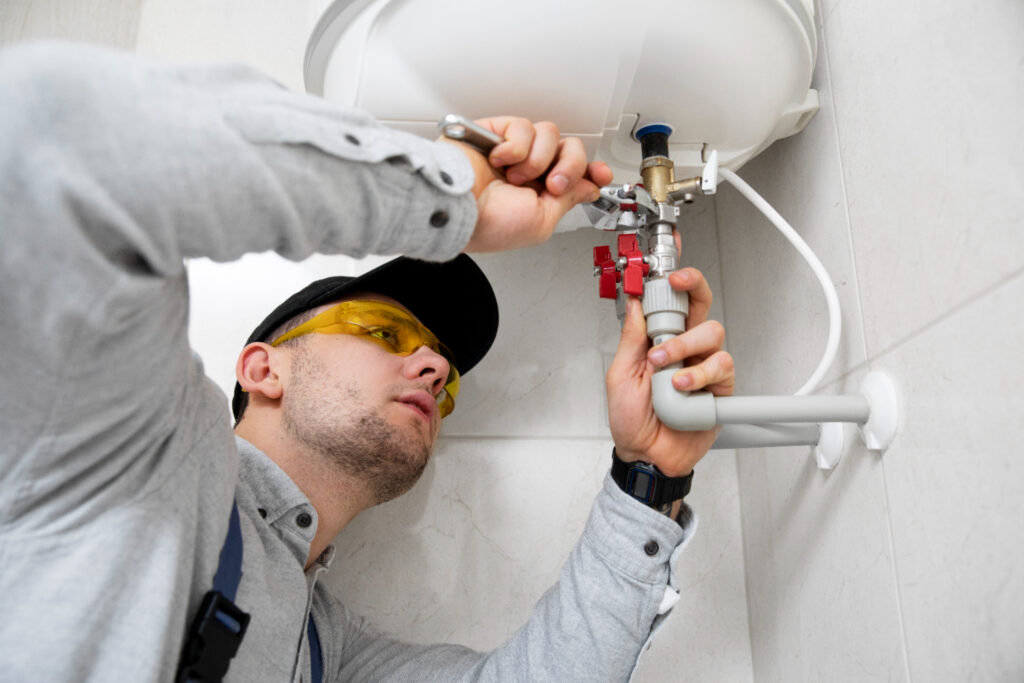
A maintenance visit is a chance to look at the plumbing on purpose rather than waiting for a leak to show. It cannot stop every future fault, but it can help you spot developing problems, plan repairs and avoid some of the damage that comes from leaving them.
Simple steps from Thames Water
Thames Water’s winter tips suggest insulating pipes, including outdoor ones, knowing where your stop tap is, and fixing dripping taps and leaky loos.
Plumbing Areas Worth Checking
What is worth checking depends on the property, but these areas tend to give the earliest clues.
Taps and mixer controls
Drips from the spout, stiff handles and seeping around the base can all be picked up and dealt with before they get worse.
Toilets and cisterns
A cistern that runs on, refills slowly or flushes weakly may point to a worn part that is easier to deal with early.
Sinks, basins and wastes
Traps, waste joints and the seals around plug holes can loosen or wear, often showing as damp in the cupboard below.
Visible supply pipework
Exposed pipes and joints can be checked for weeping, corrosion, loose clips or signs of past repairs that need a second look.
Stopcock and isolation valves
Valves that are rarely used can stiffen. Knowing they work, and where they are, matters when a leak needs stopping.
Exposed and outdoor pipes
Pipes in lofts, garages, under suspended floors and on outside walls can be more exposed to cold weather.
Homes and Business Premises
The plumbing is similar, but the way it is used, and what a fault disrupts, can be very different.
Houses and flats
In a home, maintenance usually means looking at the kitchen and bathroom fittings, the stopcock, visible pipes and any areas where leaks have happened before. In flats, shared pipes and stop valves may also be relevant. Our residential plumbing page covers household plumbing more widely.
Shops, offices and washrooms
Business premises often have more fixtures and heavier use, so small faults can repeat across a washroom. Checks are usually planned around opening hours and staff. See our commercial plumbing page for more on business premises.
Signs a Problem May Be Developing
Some warning signs are easy to see: damp under a sink, a stain on a ceiling, a drip that will not stop or water running in a toilet pan long after flushing.
Others are less obvious. A tap that has to be screwed down harder than it used to, a basin that drains a little slower each week, pipes that knock when taps close, or a water bill that rises without explanation on a metered supply can all be associated with a developing fault.
None of these on its own proves what is wrong. A maintenance check helps work out whether something needs attention now, can be watched, or is nothing to worry about.
Maintenance, Repair or Emergency?
It helps to know which of these you need, because each is planned differently.
Maintenance
Looking over the plumbing before something fails, so developing problems can be found and planned for.
Repair
Fixing a fault that is already there, such as a leaking joint or a running toilet. Our plumbing repairs service deals with those.
Emergency
Water escaping that you cannot stop, or a fault that leaves the property without a working toilet or water. For urgent problems, contact an emergency plumber in Oxford rather than waiting for a maintenance visit.
How Often Should Plumbing Be Checked?
There is no single interval that suits every property. How often a check makes sense depends on how the property is used, the age and condition of the plumbing, the number of fixtures, and whether there have been problems before.
A busy office washroom may benefit from more frequent attention than a small flat, and a property with a history of leaks may need closer watching than one that has had no problems. We can suggest what seems sensible for your property after looking at it. How the property is used, the condition of the system and past problems all shape the answer, as explained in how often plumbing should be checked.
What Affects the Cost of Maintenance Work
Every property is different, so we do not offer fixed maintenance prices. The cost depends on the size of the property, the number of fixtures, how easy the pipes and fittings are to get to, their condition and how much investigation is needed.
If a check turns up a fault, any repair or replacement is discussed with you before work goes ahead. Domestic and commercial premises can also differ in the time and planning involved.
Our maintenance work covers plumbing only. Heating and gas appliance checks, electrical testing and water hygiene or Legionella assessments are separate specialist services.
Plumbing Maintenance FAQs
What does a plumbing maintenance visit include?
It usually covers the fittings and pipework that can be reached, such as taps, toilets, sinks, wastes, visible pipes and valves. What is checked depends on the property and what you want looked at. Valves, visible pipework, fittings and drainage are the main areas covered in what a routine plumbing check includes.
How do I know if my plumbing needs attention?
Look for damp patches, drips, slow drains, running toilets, knocking pipes or stiff valves. Any of these may be worth having checked.
Can maintenance stop plumbing problems happening?
It cannot prevent every fault, but it can help find some problems earlier, when they may be simpler to deal with. Sudden freezes and accidental damage can still happen, as covered in whether plumbing maintenance can prevent every emergency.
What is the difference between maintenance and a repair?
Maintenance looks for developing problems before something fails. A repair fixes a fault that has already happened.
Is plumbing maintenance useful for business premises?
It can be, especially where washrooms and staff kitchens get heavy use. Checks can be planned to fit around the business.
Do you offer maintenance contracts?
We do not advertise fixed maintenance contracts. Get in touch about your property and we can talk through what would be useful.
Arrange a Plumbing Check
Tell us about the property, what you would like looked at and anything you have already noticed. We will suggest the next step.